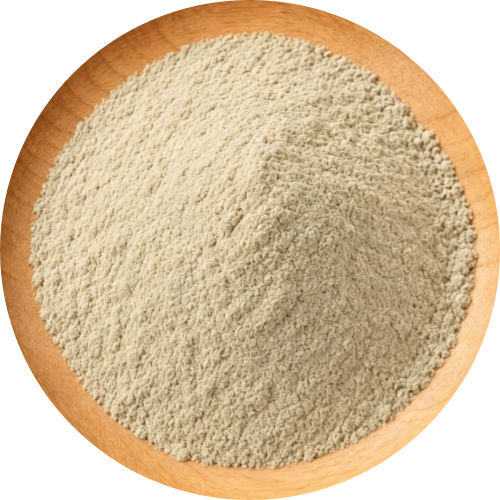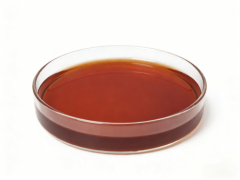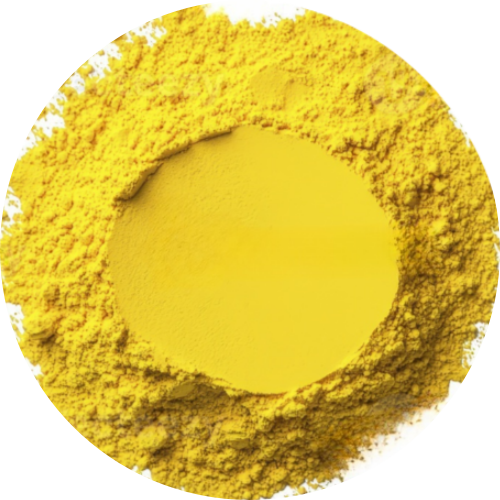
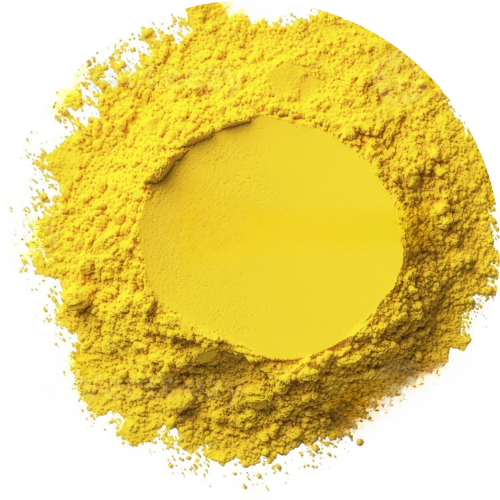
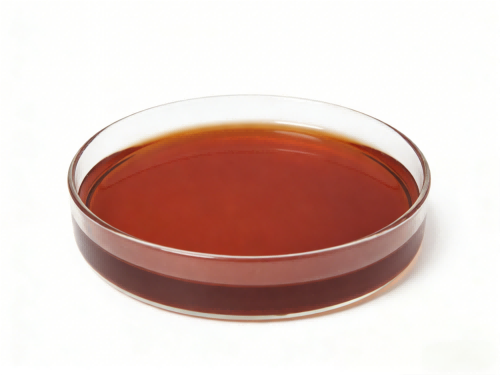
Tocotrienols are the other half of the vitamin E family. They occur as the same four isomers — alpha, beta, gamma and delta — but their unsaturated side chain sits differently in a cell membrane, which is why formulators reach for them when the brief calls for a tocotrienol-rich vitamin E rather than a straight tocopherol. This range brings that chemistry to buyers working in the plant extracts market in two plant-derived grades: palm at ≥92% total tocotrienols and tocopherols, and rice at ≥85%. The material is extracted from non-GMO palm and rice and purified so that the natural d-α, d-β, d-γ and d-δ tocotrienol isomers stay intact. Two forms cover most production lines. Both carry the same four-isomer family, so a brand can run a softgel and a sachet from a single source. We supply palm and rice material side by side, and that matters more than it sounds: as a rice-sourced oil supplier we can keep a rice-origin line running while a palm-based line continues on its own specification, and a buyer can compare both grades against the same certificate of analysis before committing to either. Typical buyers are supplement brands, contract manufacturers and functional-food developers who already purchase vitamin E and want a tocotrienol-rich option next to their tocopherol purchases. If a formula currently runs on mixed tocopherols and the brief has moved toward tocotrienols, this is the range that replaces it without changing the capsule or sachet format.
| Specification | Palm-Sourced | Rice-Sourced |
|---|---|---|
| Total Tocotrienols | ≥65.0% | ≥42.5% |
| Total Tocopherols | ≥15.0% | ≥40.0% |
| Total Tocotrienols & Tocopherols | ≥92.0% | ≥85.0% |
| Appearance | Light yellow to brownish-red clear oily liquid | Reddish-brown to pale yellow clear oily liquid |
| Solubility | Soluble in vegetable oils, ethanol; insoluble in water | Soluble in vegetable oils, ethanol; insoluble in water |
| Hot-Sales Feature | High tocotrienol concentration, cost-effective | Balanced tocopherol-tocotrienol ratio, natural rice origin |
| Specification | Details |
|---|---|
| Total Tocotrienols & Tocopherols | ≥30.0% (typical 36.1%) |
| Isomer Profile (Typical) | d-α-Tocopherol: 9.85%, d-β-Tocopherol: 0.07%, d-γ-Tocopherol: 0.31%, d-δ-Tocopherol: 0.14%, d-α-Tocotrienol: 8.08%, d-β-Tocotrienol: 1.07%, d-γ-Tocotrienol: 12.84%, d-δ-Tocotrienol: 3.70% |
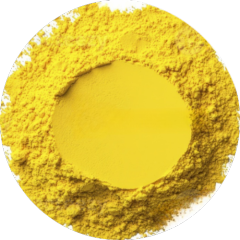
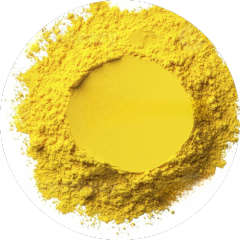
| Appearance | Light yellow to yellow free-flowing powder |
| Particle Size | ≥95.0% through 40 mesh |
| Bulk Density | 0.40-0.60 g/mL (typical 0.52 g/mL) |
| Loss on Drying | ≤5.0% (typical 1.9%) |
| Solubility | Water-dispersible, easy to blend in dry formulations |
| Hot-Sales Feature | Convenient for tablets, capsules, and powdered supplements |
| Safety Index | Standard |
|---|---|
| Heavy Metals (Pb/As/Cd) | ≤1mg/kg |
| Mercury (Hg) | ≤0.1mg/kg |
| Aerobic Plate Count | ≤1000cfu/g |
| Yeast & Mold | ≤100cfu/g |
| Pathogens (E.Coli/Salmonella/Staphylococcus Aureus) | Negative |
| Non-Irradiated | Complies |
Antioxidant defence. Tocotrienols neutralise free radicals and help protect cells from oxidative stress. Their unsaturated side chain lets them sit deeper in the cell membrane than tocopherols, so a formula built on this ingredient behaves differently from a standard vitamin E top-up — useful when the product story is antioxidant performance rather than basic fortification.
Heart and metabolic support. Published work on tocotrienols centres on healthy cholesterol levels and cardiovascular function, which is why the ingredient appears so often in heart-health formulas. We describe the mechanism and the specification; whether and how a finished product may refer to that research is a decision for your regulatory team.
Formulation compatibility. The oil suits liquid supplements, softgels, functional beverages and cosmetic oils. The powder suits tablets, capsules, powdered drink mixes, meal replacements and dry nutritional blends. Both hold their specification across pH 4.0-8.0 and short exposures to heat up to 121 ℃, which covers most wet and dry processing routes.
Clean-label compliance. The range is non-GMO, vegan and gluten-free, and both forms are free from artificial additives, solvents and preservatives. That combination is what most clean-label briefs now ask for, and it means the ingredient can sit on a short declaration instead of needing an additive story of its own.
A tocotrienol-rich alternative to a tocopherol-only system. Much of the vitamin E bought today is a mixed tocopherol. Switching to or adding a tocotrienol-rich grade gives nutrient supplements a different isomer balance at a comparable dose, and the palm grade does it at the highest tocotrienol concentration in the range.
Room to customise. OEM vitamin manufacturers can ask for a different isomer ratio, a different total potency or a different carrier system, and we build against the target specification rather than steering the project to a catalogue grade. Custom work starts from the same four-isomer base, so the analytical method on your certificate of analysis stays comparable between standard and custom batches.
|
No. |
Products (Soy/Sunflower lecithin) |
All Spec.s |
Hot-sales Spec.s |
Brief Introduction |
Package |
|
1 |
Mixed Tocopherols |
D-(β+γ+δ) -tocopherol ≥80% Total tocopherol 50%、70%、90%、95%
|
D-(β+γ+δ) -tocopherol ≥80% Total tocopherol 90%、95% |
Natural antioxidants extracted from soybean fatty acids or fatty acids from other edible vegetable oils. Clear, oily liquids ranging from brownish-red to pale yellow. |
1kg, 5kg/aluminum bottle; 20kg, 25kg, 50kg, 200kg/steel drum; 950kg/IBC drum. |
|
2 |
Mixed Tocopherols Powder |
Total Tocopherols 30% (40mesh) |
Total Tocopherols 30% (40mesh) |
Light yellow powder made from mixed tocopherol oils, with added sodium octenyl succinate starch and other additives, processed using microencapsulation technology. |
1kg, 5kg/aluminum foil bag; 20kg, 25kg/paper drum. |
|
3 |
D-alpha-Tocopherol |
D-alpha-tocopherol 1000IU, 1100IU, 1200IU, 1300IU, 1490IU (Content: ≥67.1%, ≥73.8%, ≥80.5%, ≥87.2%, ≥96.0%) |
D-alpha tocopherol 1490IU (Content |
Clear, oily liquid ranging from brownish-red to light yellow, and can be widely used in nutritional fortifiers, soft capsules, and nutritional foods. |
1kg, 5kg/aluminum bottle; 20kg, 25kg, 50kg, 200kg/steel drum; 950 kg/IBC tank.
|
|
4 |
D-β-Mixed Tocopherols |
D-β-tocopherol 60%
|
D-β tocopherol 60%
|
natural antioxidant rich in β tocopherol. The product is a reddish brown to light yellow clear oily liquid |
1kg, 5kg/aluminum bottle; 20kg, 25kg, 50kg, 200kg/steel drum; 950 kg/IBC tank. |
|
5 |
D-γ-Mixed Tocopherols |
D-γ-tocopherol 70% 、80%
|
D-γ-tocopherol 80%
|
natural antioxidant rich in γ tocopherol. The product is a reddish brown to light yellow clear oily liquid |
1kg, 5kg/aluminum bottle; 20kg, 25kg, 50kg, 200kg/steel drum; 950 kg/IBC tank. |
|
6 |
D-δ-Mixed Tocopherols |
D-δ-tocopherol 70% 、90%
|
D-δ-tocopherol 90%
|
natural antioxidant rich in δ tocopherol. The product is a reddish brown to light yellow clear oily liquid |
1kg, 5kg/aluminum bottle; 20kg, 25kg, 50kg, 200kg/steel drum; 950 kg/IBC tank. |
|
7 |
D-alpha-tocopheryl acetate |
D-alpha-tocopheryl acetate 1000IU, 1100IU, 1200IU, 1300IU, 1360IU (Content≥73.5%, ≥80.9%, ≥88.2%, ≥95.6%, ≥96%) |
D-alpha-tocopheryl acetate 1360IU (≥96%) |
Slight light brownish to slight yellow, viscous oily liquid, used in the production of health capsules, liquid preparations, cosmetics, etc. |
1kg, 5kg/aluminum bottle; 20kg, 25kg, 50kg, 200kg/steel drum; 950 kg/IBC tank. |
|
8 |
D-alpha-tocopheryl acetate powder |
D-alpha- tocopheryl acetate powder 700IU, 950IU (content ≥51.5%, ≥69.8%) |
D-alpha-tocopheryl acetate powder 700IU (content ≥51.5%) |
made of d-α-tocopheryl acetate concentrate by microencapsulation technology. It can be widely used in dietary supplements and foods to improve the nutrition and stability of products. |
1kg, 5kg/aluminum foil bag; 20kg, 25kg/fiber drum
|
|
9 |
D-alpha- tocopheryl acid succinate |
D-alpha- tocopheryl succinate 1185IU, 1210IU (content |
D-alpha-tocopheryl succinate 1210IU (content 96.0%~102.0%) |
white to off-white granular or powder, has higher stability and biological efficiency, easy to be transported and storage. And it can be used for pressing multivitamin tablets, filling capsules, etc |
25kg/fiber drum with food grade polyethylene inner bag
|
|
10 |
Natural vitamin E (Sunflower Sourced) |
D-a-tocopherol 1000IU, 1300IU (total tocopherol: 70%, 95% or d-a-tocopherol ≥67.1%, ≥87.2%) |
D-a-tocopherol 1000IU (total tocopherol 70% or d-a-tocopherol ≥67.1%) |
natural antioxidant extracted from sunflower seed fatty acid. It is brownish red to light yellow clear oily liquid |
1kg, 5kg/aluminum bottle; 20kg, 25kg, 50kg, 200kg/steel drum; 950 kg/IBC tank |
|
11 |
Tocotrienols |
Tocotrienols 85% (rice source, Total Tocopherols≥40%, Total Tocotrienols ≥42.5%); 92% (palm source, Total Tocopherols ≥15%, Total Tocotrienols ≥65%) |
92% (palm source, Total Tocopherols ≥15%, Total Tocotrienols ≥65%) |
Tocotrienols has unique physiological function in antioxidant property, cholesterol reduction, cancer inhibition and so on, and has more superior physiological functions than tocopherol in some aspects, and has more important values in health food application. |
1kg, 5kg/aluminum bottle; 20kg, 25kg, 50kg, 200kg/steel drum; 950 kg/IBC tank |
|
12 |
Tocotrienols powder |
Total Tocotrienols & Tocopherols ≥30% |
Total Tocotrienols & Tocopherols ≥30% |
|
10kg/carton |
|
13 |
Phytosterol |
Phytosterol 90%, 95%(Brassicastrol ≤10%,Campesterol≥15, β-sitosterol ≥30%, Stigmasterol≥12%) |
Phytosterol 95%
|
Derived from soybean oil deodorized distillate, and it is composed of β-sitosterol,campesterol, brassicastrol, stigmasterol in natural proportion. It is white powder at normal temperature, with high nutritional value, strong physiological activity. etc. |
25kg/fiber drum
|
|
14 |
Squalene |
Squalene 20%, 30%, 50%,70%
|
Squalene 70%
|
light yellow to brownish red clear oily liquid, derived from the vegetable oil fatty acid. |
25kg, 50kg, 200kg/steel drum; 950kg/IBC tank |
|
OEM |
We could do OEM based on your requested formula (alpha、bata、gamma、delta), from soy or sunflower lecithin source. |
||||
| Product Form | Packaging Options | Storage Requirements | Shelf Life |
|---|---|---|---|
| Tocotrienols Oil | 1kg/5kg aluminum bottles; 20kg/25kg/50kg/200kg steel drums; 950kg IBC tanks | Store in a cool (15-25℃), dry, well-ventilated area; avoid direct sunlight and heat. Keep containers tightly sealed. | 24 months |
| Tocotrienols Powder | 10kg cartons; 1kg/5kg aluminum foil bags; 20kg/25kg fiber drums (food-grade PE inner) | Store in a cool (15-25℃), dry environment with relative humidity ≤60%. Protect from moisture and direct light. | 24 months |
Choosing the right grade should not be guesswork. Our Xi'an-based team works with our supplier partners to help you match specification, purity and delivery form to your formulation, and we answer technical questions on assay methods, documentation and storage before you commit to a batch. If something behaves unexpectedly in your process, we follow it up with the supplying manufacturer, share batch records and COA data, and suggest a practical adjustment. Most enquiries are answered within one to two business days, and samples go out with the paperwork you need to assess them properly.
Raw material testing. Every incoming lot of palm or rice material is checked for purity, heavy metals and pesticide residues before it enters production. In-process monitoring. Extraction and purification are monitored continuously so the isomer ratio and the concentration stay inside specification from run to run. Finished-product analysis. Each batch is tested by HPLC for tocotrienol and tocopherol content, alongside microbial safety and physical properties, and is released against a batch-specific certificate of analysis. Safety index and heavy metals. The safety index is standard across both forms: lead, arsenic and cadmium are held at ≤1 mg/kg and mercury at ≤0.1 mg/kg. Microbiological limits and irradiation. Aerobic plate count ≤1000 cfu/g, yeast and mould ≤100 cfu/g, E. coli, Salmonella and Staphylococcus aureus tested negative, and the material complies with non-irradiation requirements. Certification documentation. FDA registration, ISO 9001, FSSC 22000, HALAL, KOSHER, ISO 14001, ISO 45001, Non-GMO IP certification and ISO 14067 carbon footprint verification are held for this range — ask us for the current copies that apply to your market and product. What buyers in the plant extracts market check first. Pesticide-residue and heavy-metal results usually gate a lot release, so those sit in the batch file next to the assay rather than being sent on request. Specification support for nutrient supplements. Teams building nutrient supplements can ask for a specification sheet written against their dosage form — oil or powder, with the relevant assay and physical data on one page.
Both. The oil comes in a palm-sourced grade at ≥92.0% total tocotrienols and tocopherols (≥65.0% tocotrienols, ≥15.0% tocopherols) and a rice-sourced grade at ≥85.0% total (≥42.5% tocotrienols, ≥40.0% tocopherols). Sourcing from a rice-sourced oil supplier and a palm supplier separately usually means two specification formats and two approval cycles; here both grades share one certificate format. The microencapsulated powder is a separate specification at ≥30.0% total tocotrienols and tocopherols.
Choose by the isomer balance your label needs. The palm grade is the higher-tocotrienol option at ≥65.0% total tocotrienols, which suits products built around a tocotrienol claim. The rice grade carries more tocopherol alongside the tocotrienols (≥40.0% tocopherols against ≥42.5% tocotrienols), giving a broader vitamin E profile with a rice origin. Both are non-GMO and both run on the same analytical method, so the decision is about the ratio, not about quality.
Follow the dosage form. Softgels, liquid blends, emulsions, functional beverages and cosmetic oils take the oil, which dissolves in vegetable oils and ethanol. Tablets, capsules, sachets, meal replacements and other dry blends take the powder, which is water-dispersible, free-flowing and ≥95.0% through 40 mesh. Some brands use both — the oil for a softgel and the powder for a sachet — with the same four-isomer family behind both labels.
Yes. Custom work covers the isomer ratio across alpha, beta, gamma and delta, the total potency and the carrier system, and it starts from the same four-isomer base as the catalogue grades. That is usually the first thing OEM vitamin manufacturers ask about, because a custom batch has to match an existing label claim and an existing analytical method. Send your target specification and we will confirm what can be matched, what has to move, and what the batch documentation will show.
Each batch ships with a certificate of analysis listing the tocotrienol and tocopherol content isomer by isomer, the physical results (appearance, and for the powder the particle size, bulk density and loss on drying), and the microbiological and heavy-metal results. Check that the isomer totals add up to the declared figure, confirm loss on drying sits inside ≤5.0%, and compare heavy metals against your own market's limit rather than only against ours. If you need the specification sheet before the batch arrives, ask at order stage.
Yes. The powder is water-dispersible and built for dry blending, so it goes into sachets, instant drink mixes, protein blends and fortified cereals without an emulsification step. A bulk density of 0.40-0.60 g/mL (typical 0.52 g/mL) and a 40-mesh particle size keep it flowing and limit segregation in a multi-ingredient blend. For a ready-to-drink liquid, the oil is usually the simpler route — most powder for wellness projects start here and add the oil once a liquid line is in place.