Water-Soluble Artichoke Extract (Cynarin ≥5%, UV) — Bulk Botanical Raw Material for Functional Foods, Beverages & Supplements
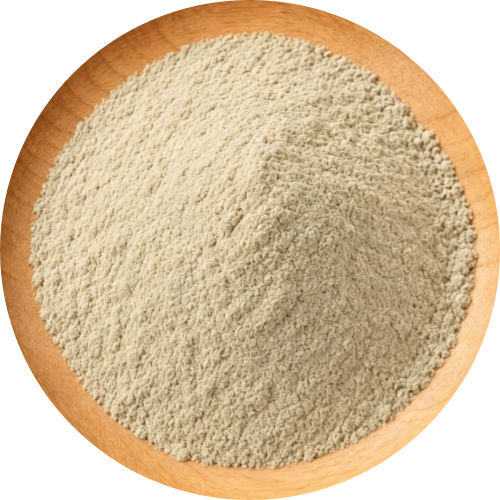
Our artichoke extract is a standardized, 100% water-soluble powder produced from Cynara scolymus L. and assayed to a minimum of 5% cynarin by UV. Delivered as a fine, yellowish-brown free-flowing powder, it disperses rapidly in water to form a clear to slightly opalescent solution — a critical property for clear functional waters, ready-to-drink (RTD) teas, shot-format liver-support beverages, and effervescent formulas where ordinary artichoke leaf powders would cloud or settle.
Manufactured under a water-extraction + spray-drying process with documented HACCP critical control points, this grade is aimed at formulators, nutraceutical brands, and ingredient distributors who need a consistent, traceable, food-grade artichoke extract that performs in modern beverage applications.
At a Glance
|
Parameter
|
Specification
|
|
Product name
|
Artichoke Extract (Cynarin 5%, Water-Soluble)
|
|
Botanical source
|
Cynara scolymus L. (artichoke)
|
|
Plant part used
|
Fruit (per supplier TDS)
|
|
Active marker
|
Cynarin ≥ 5% (UV assay)
|
|
Appearance
|
Fine powder, yellowish-brown, characteristic odour & taste
|
|
Solubility
|
Readily soluble in water; clear to slightly opalescent solution
|
|
Loss on drying
|
≤ 5.0%
|
|
Total ash
|
≤ 5.0%
|
|
Sieve analysis
|
NLT 98% through 80 mesh
|
|
Bulk density
|
45 – 65 g/100 mL
|
|
Heavy metals
|
≤ 10 ppm total (Pb ≤ 3, As ≤ 1, Cd ≤ 1, Hg ≤ 0.1)
|
|
Total plate count
|
≤ 10,000 CFU/g
|
|
Yeast & mould
|
≤ 1,000 CFU/g
|
|
E. coli / Salmonella
|
Negative / Negative
|
|
Origin
|
China
|
|
Shelf life
|
2 years when stored as directed
|
|
Compliance
|
Non-GMO, TSE/BSE-free, 100% plant-derived
|
Full Certificate of Analysis (COA), TDS, MSDS and non-GMO / TSE-BSE declarations available on request.
Why Formulators Choose This Water-Soluble Grade
Most commodity artichoke powders on the market are leaf-derived, alcohol-extracted grades that suspend poorly in water and produce heavy sediment in RTD drinks. This water-soluble cynarin 5% grade is engineered specifically for:
- Clear functional beverages & RTD teas — dissolves without grit or bitter haze, simplifying hot- and cold-fill processes.
- Liver-support & digestive shot formats — high-load cynarin standardization fits 30–60 mL wellness shots and "detox" on-the-go drinks.
- Effervescents & instant stick packs — 80-mesh powder blends cleanly into instant beverage bases.
- Capsules, tablets & powders — free-flowing bulk density (45–65 g/100 mL) suits direct-to-blend and encapsulation lines.
- Cosmetic & topical formulations — water-dispersible phenolic actives for antioxidant skincare preparations.
Why Artichoke Extract Is in High Demand
- Liver wellness & "liver detox" positioning. With non-alcoholic fatty liver condition affecting a large share of adults, plant-based liver-support ingredients are one of the fastest-growing nutraceutical sub-categories. Artichoke is a recognized hero botanical in this space.
- Bile & digestive comfort. Artichoke has a long history of traditional use tied to bile production and digestive comfort, and is a frequent co-ingredient in digestive-enzyme, debloat, and gallbladder-support blends.
- Cholesterol & cardiovascular wellness. Artichoke leaf phenolic compounds (cynarin and related caffeoylquinic acids) are among the most-studied plant actives associated with maintaining already-healthy cholesterol levels.
Cynarin (1,3-dicaffeoylquinic acid) and the broader caffeoylquinic acid (CQA) profile are the phenolic markers most consistently linked to these application directions. Standardizing to ≥5% cynarin gives finished-product formulators a predictable, labelable active marker.
Quality, Process & Compliance
- Process: Purified-water extraction → filtration → vacuum concentration → spray drying (CCP2) → sieving → metal detection (CCP3) → blending → packaging, under HACCP-controlled conditions.
- Non-GMO: Botanical raw material and production lines are non-GMO; no GMO cross-contamination risk.
- TSE/BSE: 100% plant-derived; no ruminant or animal-derived processing aids.
- Safety: Not classified as hazardous under GHS; not a dangerous good for transport.
- Traceability: Every batch ships with a COA covering cynarin assay, heavy metals, and microbial limits.
Packaging, Lead Time & Customization
- Standard packing: 25 kg fibre drums (food-grade inner bag); sample packs from 100 g – 1 kg available.
- MOQ for trial order: 1 kg; commercial quantities from 25 kg.
- Lead time: 7–15 working days after order confirmation for stocked specifications.
- Custom specifications available: Other cynarin / caffeoylquinic acid percentages, ratio extracts (e.g., 4:1, 10:1), different mesh sizes, and private-label blending support for distributor and brand-owner customers.
- Documentation support: COA, TDS, MSDS, non-GMO & TSE/BSE declarations; additional regulatory dossiers for qualified buyers.
Frequently Asked Questions
1. What exactly does "Cynarin ≥5% (UV)" mean, and how does it differ from an HPLC result?
Cynarin is the signature caffeoylquinic acid in artichoke. A ≥5% UV assay means the phenolic content is standardized to cynarin equivalents measured by UV spectrophotometry — the most common industry method for artichoke bulk extracts.
HPLC quantifies individual phenolic compounds (cynarin, chlorogenic acid, luteolin glycosides) separately and is typically reserved for higher-purity or pharma-grade specifications. We can share both the UV COA and, on request, arrange an HPLC profile for your QA team.
2. Is this grade genuinely water-soluble, and will it stay clear in a beverage?
Yes. It is readily soluble in water and produces a clear to slightly opalescent, yellowish-brown solution — ideal for clear RTD functional waters, iced teas, and wellness shots.
At high inclusion levels or in acidic pH ranges, a slight haze may occur; we recommend a small bench trial at your target pH and Brix.
3. What plant part is used — leaf or fruit?
Per the current technical data sheet, this grade is sourced from artichoke fruit (Cynara scolymus L.). Note that much of the published artichoke-extract research references leaf material; if your formulation or label specifically requires artichoke leaf extract, tell us — we can supply a leaf-derived grade and match your required botanical declaration.
4. What inclusion level should formulators use?
Published finished-product studies typically use the equivalent of 500–1,800 mg/day of standardized artichoke extract, split into doses. For a 5% cynarin extract, a common finished-product target is 300–600 mg of this powder per serving, delivering roughly 15–30 mg of cynarin.
Exact dosing should be set by your product and regulatory team based on the claim you intend to make.
5. What certificates and compliance documents can you provide?
Every shipment includes a batch-specific COA; we also supply TDS, MSDS, non-GMO declaration, and TSE/BSE-free statement. Kosher, Halal, ISO 22000 / HACCP and other third-party certificates can be furnished for qualified orders — please specify your market (US, EU, ASEAN, Middle East) so we confirm the right dossier.
6. What is the MOQ, sample policy, and lead time?
Trial MOQ is 1 kg, and free or nominal-cost sample packs (100–500 g) are available for qualified B2B buyers. Commercial orders ship within 7–15 working days after confirmation.
7. Is it suitable for vegan, vegetarian, halal, and allergen-free labeling?
The ingredient is 100% plant-derived, non-GMO, TSE/BSE-free, and produced without animal-derived processing aids — supporting vegan and vegetarian positioning. It does not inherently contain major allergens (dairy, soy, gluten, nuts); an allergen cross-check per your spec is recommended. Halal/Kosher certification status should be confirmed against your specific market requirement.
8. How should the powder be stored, and what is the shelf life?
Keep it sealed, protected from light and heat, and stored at 2–8 °C away from moisture. Under these conditions the shelf life is 2 years. It is not classified as a dangerous good for road, sea or air transport.
Looking for a different cynarin percentage, a leaf-derived grade, or an HPLC-standardized caffeoylquinic-acids specification? Contact our technical sales team with your target application and market — we will match the spec and send a sample.