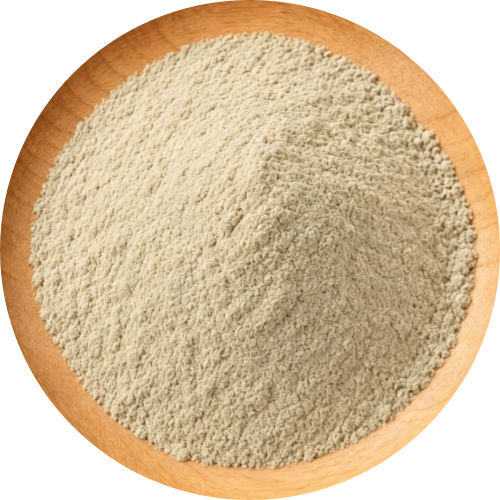
KEEP INGREDIENTS Pomegranate Extract 40% Punicalagins is a concentrated pomegranate extract standardized specifically to Punicalagins ≥40% by HPLC. Unlike Ellagic Acid-focused or broadly standardized total-polyphenol extracts, this grade is designed for formulations where Punicalagins are the primary active specification.
Produced from dried pomegranate, the ingredient is supplied as a yellowish-brown fine powder, with ≥95% passing through 80 mesh. Its defined Punicalagins content gives supplement manufacturers a straightforward basis for active-dose calculation and raw-material specification.
The standard powder can also be further developed into granulated, microencapsulated, liposomal, or customized blend formats according to the intended dosage form and processing requirements.
Pomegranate extracts can be standardized around very different markers, including total polyphenols, Ellagitannins, Ellagic Acid, or Punicalagins. These specifications should not be treated as interchangeable simply because they originate from the same botanical.
This grade places Punicalagins ≥40% at the center of the specification. Rather than relying on a general pomegranate extract ratio or broad polyphenol value, formulators know exactly which pomegranate marker defines the ingredient.
This makes Pomegranate Extract 40% Punicalagins particularly relevant when the finished formula is designed around a concentrated Punicalagins input and a clearly defined pomegranate active.
The distinction is important for product development.
Ellagic Acid and Punicalagins represent different pomegranate-derived active specifications. A 40% Ellagic Acid extract should therefore not be treated as equivalent to a 40% Punicalagins pomegranate extract.
For brands developing a Punicalagin-focused supplement, choosing an extract standardized directly to Punicalagins provides a clearer connection between the raw-material specification and the intended product concept.

For B2B formulators, the value of a defined assay is practical: the ingredient can be calculated according to the desired Punicalagins input rather than estimated from a generic pomegranate extract concentration.
For example, when comparing different pomegranate raw materials, buyers should look beyond the percentage shown in the product name and confirm what that percentage actually represents. A 40% total-polyphenol extract, 40% Ellagic Acid extract, and 40% Punicalagins extract are three different ingredient specifications.
This distinction makes HPLC standardized pomegranate extract 40% Punicalagins particularly useful for brands that want a more precise raw-material specification.
| Item | Specification |
|---|---|
| Raw Material | Dried Pomegranate |
| Punicalagins | ≥40% |
| Appearance | Fine Powder |
| Color | Yellowish Brown |
| Odor & Taste | Characteristic, Without Off-Flavor |
| Particle Size | ≥95% Through 80 Mesh |
| Loss on Drying | ≤7.0% |
| Ash | ≤5.0% |
| Total Heavy Metals | ≤10 ppm |
| Arsenic (As) | ≤5 ppm |
| Lead (Pb) | ≤5 ppm |
| Cadmium (Cd) | ≤2 ppm |
| Mercury (Hg) | ≤2 ppm |
| Solvent Residue | ≤500 ppm |
| Pesticide Residue | Meet USP <561> |
| Total Plate Count | ≤1,000 cfu/g |
| E. coli | ≤30 MPN/100 g |
| Yeast | ≤100 cfu/g |
| Mold | ≤100 cfu/g |
With Punicalagins standardized to ≥40%, this ingredient is well suited to capsule and tablet products where manufacturers want to formulate around a defined Punicalagins level rather than a generic amount of pomegranate extract.
Its concentrated active specification can also be useful in multi-ingredient products where available capsule or tablet space is limited and each botanical component needs a clearly defined purpose.
High-Punicalagins pomegranate extract can be incorporated into premium botanical formulations positioned around polyphenol nutrition, antioxidant support, healthy aging, and general wellness.
It can be used as the main pomegranate component or combined with other standardized botanical extracts to build a broader polyphenol profile.
For beauty supplements, Punicalagins provide a more specific pomegranate active story than simply adding conventional pomegranate fruit powder.
The ingredient can be evaluated for beauty capsules, gummies, powdered beauty supplements, and multi-active skin nutrition formulations, particularly where the product concept emphasizes standardized botanical polyphenols.
The yellowish-brown fine powder can also be evaluated for gummies, sachets, stick packs, and powdered supplement blends. Because Punicalagin-rich botanical extracts may influence the sensory and color profile of the finished product, actual dosage, flavor system, pH, and processing conditions should be evaluated during formulation.
Water solubility is not specified for this grade, so suitability for liquid or clear-beverage applications should be confirmed through formulation testing rather than assumed from the Punicalagins assay.
The standard 40% Punicalagins powder can be further processed when the finished dosage form requires different physical or formulation characteristics.
Granulation can be developed for tablet, capsule-filling, or powder-handling requirements. Microencapsulation can be considered for projects requiring sensory management or separation from other ingredients, while liposomal processing is available for brands developing differentiated delivery-system products.
Customized botanical blends can also be developed when Punicalagins need to be combined with other standardized actives within a single premix.
KEEP INGREDIENTS supplies standardized botanical extracts and nutritional ingredients to B2B customers worldwide, with support extending from raw-material selection and customized processing to export documentation and international logistics.
Different pomegranate specifications serve different formulation goals. Our portfolio includes products standardized around Ellagic Acid, Ellagitannins, and Punicalagins, allowing R&D teams to select the active profile that matches the finished product rather than using one generic pomegranate extract for every application.
In addition to standard powder, we support granulation, microencapsulation, liposomal processing, and customized blends according to the target dosage form and manufacturing requirements.
KEEP INGREDIENTS has exported botanical extracts and nutritional ingredients to customers in more than 30 countries, with practical experience handling international B2B orders and cross-border shipments.
Our export team is experienced in preparing and coordinating commercial and shipment documentation, helping overseas customers reduce avoidable problems during customs clearance and import procedures.
With established freight-forwarding resources, we can coordinate shipping according to the destination, order volume, and delivery requirements. Customers can manage ingredient purchasing, export documentation, and logistics coordination through the same supplier, making international procurement more efficient.
If your formulation is built around Punicalagins rather than Ellagic Acid or general total polyphenols, KEEP INGREDIENTS Pomegranate Extract 40% Punicalagins provides a clearly defined active specification for product development.
Contact us for specifications, samples, quotations, or to discuss granulation, microencapsulation, liposomal processing, and customized formulation requirements.
Contact Information:
Because the percentage must always be read together with the compound being measured. A 40% Ellagic Acid extract, 40% total-polyphenol extract, and 40% Punicalagins extract represent different chemical specifications. Buyers should therefore compare the standardized marker and assay basis rather than the percentage alone.
If Punicalagins are the primary formulation target, the ≥40% Punicalagins grade provides a higher defined Punicalagins specification. If the product concept requires a broader Ellagitannin profile while still defining Punicalagins, the 70% Ellagitannins + 30% Punicalagins grade may be more appropriate.
No. Although both are pomegranate-related actives, Punicalagins and Ellagic Acid are different compounds and specifications. A 1:1 substitution based only on the “40%” number would change the active profile of the formulation.
A total-polyphenol value describes a broader group of compounds. A Punicalagins-specific HPLC assay gives formulators a more defined marker when Punicalagins themselves are important to raw-material selection or finished-product positioning.
No. The 40% figure describes the concentration of Punicalagins within the raw material, not the recommended inclusion level in a finished supplement. Ingredient dosage should be determined according to the target Punicalagins amount and the overall formulation.
Start with the actual formulation problem. If powder handling or compression is the issue, granulation may be appropriate; if sensory interaction or ingredient separation is important, microencapsulation may be considered; if the product specifically requires a differentiated phospholipid-based delivery format, liposomal development can be evaluated.