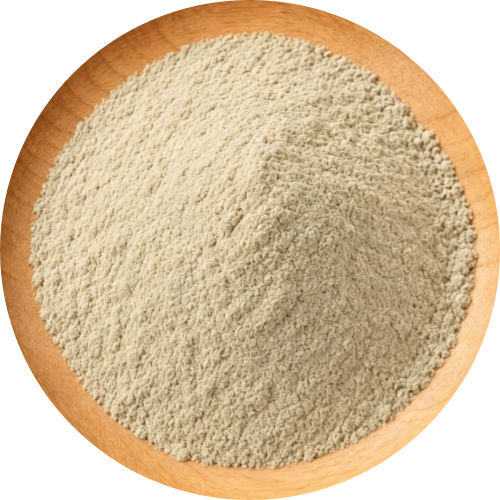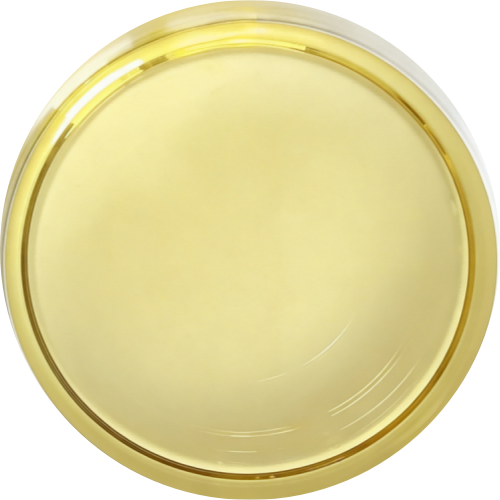
The product is natural vitamin E acetate — D-alpha tocopheryl acetate, the acetate ester of natural d-alpha tocopherol — supplied as a viscous oil that ranges from slight light brownish to slight yellow, with a mild vitamin E aroma. Esterifying the tocopherol protects the part of the molecule that oxygen, light and heat attack first, so the material keeps its labelled potency far longer than the free vitamin while still delivering vitamin E activity once it is absorbed. It is the grade formulators reach for when a softgel is already crowded, when a daily dose has to stay small, or when a premium claim needs the most vitamin E activity per gram of oil. We supply bulk vitamin E to nutraceutical ingredient manufacturers, supplement brands and personal care producers in drum and IBC quantities. This is not a single-grade product. One production flow covers 1000IU, 1100IU, 1200IU, 1300IU and 1360IU, so a brand can move a formula up or down the ladder without qualifying a new source or rewriting the specification file. It replaces synthetic dl-alpha tocopheryl acetate in formulas where the label has to read natural, and it replaces free tocopherol where shelf life is the constraint. Most of it leaves for supplement softgels, personal care emulsions, fortified oils and feed premixes, and in each case it is handled the same way: weighed into the oil phase, kept covered, protected from prolonged light.
The d-alpha prefix is the part that matters. It means the tocopherol in this natural vitamin E acetate comes from a natural source rather than the synthetic dl-alpha mixture, so the ingredient can be declared as natural vitamin E on a label that makes that claim.
The material is a single oil rather than a blend, so the ingredient list on your pack stays short — no carrier, diluent or anti-caking agent has to be justified alongside it.
What the pack can say depends on the market. In the EU and the US, d-alpha tocopheryl acetate is declared as vitamin E with its IU or mg content; have your regulatory team confirm the exact wording before the artwork is signed off.
Clean label has limits worth stating. This is not an organic certification, and it is not a claim about the finished product's health benefits — those depend on your formula, your dose and what your market allows.
The same 1360IU oil goes into five very different industries, and what changes between them is the dose, the carrier and the paperwork — not the chemistry.
In every case it is handled as an oil: weighed into the oil phase, kept covered and shielded from prolonged light during the run. A plant that already handles other oil-soluble vitamins needs no new equipment.
Expectations differ more than the material does. A supplement customer asks for assay and IU per gram; a cosmetics customer adds colour and odour consistency; a feed customer asks how the oil behaves in the premix.
Brands that already buy a vitamin D supplement or a K2 line from us often add vitamin E to the same purchase, because the paperwork and the shipping route are already in place.
Nutrition — supplies vitamin E for immune function, cardiovascular health and cellular integrity; here it is the vitamin E source in the formula rather than an additive. Cosmetics — strengthens the skin's moisture barrier, soothes irritation and shields the skin from environmental stressors when formulated into creams, serums and facial oils. Formulation — acts as a natural preservative in the base, extending shelf life by inhibiting lipid oxidation. Where the roles overlap — a single addition can be both the labelled nutrient and the antioxidant that stabilises the base, which is why one dose level often does two jobs. Across categories — the same ingredient identity appears on supplement, cosmetic and food labels, which lets one specification file serve several product lines.
Health capsules and softgels — the core use. The concentrate keeps the oil volume small inside a standard softgel shell, which leaves room for the rest of the fill. Liquid vitamin blends and multivitamin formulations — miscible with the carrier oils already in the blend, so it needs no intermediate dilution step. Antioxidant supplements — a standalone natural vitamin E product where the acetate's stability is what protects the claim through shelf life rather than at release only. Combination products — regularly formulated with vitamin D3 and K2 in a single softgel, since all three are fat-soluble and share the same oil phase. What formulators ask for — an assay that matches the label, a COA for every batch and microbiological limits that clear their own release testing. That is the baseline we supply to nutraceutical ingredient manufacturers.
Pharmaceutical customers use the acetate in oil-based preparations where vitamin E is either the active or a nutritional component. The material is the same one described above; what rises is the standard of documentation around it. Expect a tighter specification, a full certificate of analysis and a batch record that can be followed back through the process, because the material has to survive an audit and not just a release test. The acetate form is the practical choice in this setting. It is far less prone to oxidation than free tocopherol, so an oil-based preparation holds its assay through a long shelf life without cold-chain handling. Where the fill volume is tight, the higher grades of the ladder — 1300IU and 1360IU — are the practical choice, because the same dose occupies less oil.
Moisturisers and barrier creams — supports the skin's moisture barrier and helps the emulsion resist oxidation, which keeps texture and smell stable through shelf life. Anti-ageing serums and facial oils — oil-soluble and easy to add to an anhydrous base; in a facial oil it often does double duty as the declared active and as the antioxidant protecting the carrier oils. Hair care — added to conditioning treatments and scalp oils where vitamin E is declared on the label and the base needs protection from rancidity. Sunscreen and after-sun — included for its barrier-supporting and soothing role alongside UV filters; check compatibility with your filter system in the oil phase. Colour and appearance — the oil is light brownish to light yellow, invisible in most emulsions at use levels but worth checking in a clear gel or a bright white cream.
In food the acetate is usually added as a natural antioxidant rather than as a declared vitamin. A small percentage slows the oxidation that turns edible oils, dressings and processed foods rancid, and extends shelf life without a synthetic antioxidant on the label. Where the product also carries a vitamin E claim, the same addition does the nutritional job at the same time, because the material is food-grade and the specification is written for food use. It suits oil-based and emulsified systems: edible oils, fat-based spreads, dairy, dressings and bakery fats. A clear water-based drink needs an emulsified vitamin E preparation instead. As a food ingredient manufacturer we supply the grade with the documentation food customers need — specification, a certificate of analysis for every batch, and the certificates covering the production site.
Poultry and livestock premixes — vitamin E is a standard line in premixes for immune function and reproductive performance, and the acetate's stability matters because premixes are stored before they are used. Aquaculture feed — added to extruded and pelleted feeds, either sprayed on after extrusion or blended into the premix before pelleting. Handling in the feed mill — dilute the viscous oil into a vegetable-oil carrier first. Adding neat oil to a dry premix gives uneven distribution and hot spots in the mix. Stability through processing — the acetate form is chosen here because it holds its potency through the heat of pelleting better than free tocopherol does. Cross-contamination control — clean the line between vitamin E and the next premix ingredient; the oil films equipment and can carry over into the following batch.
Start from the label claim, not the grade. Work out how many IU of vitamin E the finished dose has to deliver, then divide that by the IU per gram of the grade you are considering. Check the fill space. At 1360IU/g, a 400 IU dose needs well under half a gram of oil; the same claim from the 1000IU grade takes a little over a third more oil, which matters in a small softgel or a two-piece capsule. Match the grade to the base. Where the oil is part of the fill weight — oil blends, chewables, fortified foods — a lower grade leaves more room for the carrier and the other actives. Where the fill is tight, specify the concentrate. Confirm the assay basis before you compare sources. IU per gram and percentage content describe the same potency, but suppliers test against different reference standards, so compare the method on the COA rather than the grade number alone. Lock the grade into your specification and your label artwork at the same time, so the IU figure printed on the pack matches the grade in the drum.
| Specification Grade | Potency | D-alpha Tocopheryl Acetate Content |
|---|---|---|
| D-alpha Tocopheryl Acetate 1000IU | 1000IU/g | ≥73.5% |
| D-alpha Tocopheryl Acetate 1100IU | 1100IU/g | ≥80.9% |
| D-alpha Tocopheryl Acetate 1200IU | 1200IU/g | ≥88.2% |
| D-alpha Tocopheryl Acetate 1300IU | 1300IU/g | ≥95.6% |
| D-alpha Tocopheryl Acetate 1360IU (Hot-Selling) | 1360IU/g | ≥96% |
| Safety Index | Specification |
|---|---|
| Heavy Metals (Pb/As/Cd) | ≤1mg/kg |
| Mercury (Hg) | ≤0.1mg/kg |
| Aerobic Plate Count | ≤1000cfu/g |
| Yeast & Mold | ≤100cfu/g |
| Pathogens (E.Coli/Salmonella/Staphylococcus Aureus) | Negative |
| Non-Irradiated | Complies |
| Solvent Residue | Meets USP/FCC Standards |
|
No. |
Products (Soy/Sunflower lecithin) |
All Spec.s |
Hot-sales Spec.s |
Brief Introduction |
Package |
|
1 |
Mixed Tocopherols |
D-(β+γ+δ) -tocopherol ≥80% Total tocopherol 50%、70%、90%、95%
|
D-(β+γ+δ) -tocopherol ≥80% Total tocopherol 90%、95% |
Natural antioxidants extracted from soybean fatty acids or fatty acids from other edible vegetable oils. Clear, oily liquids ranging from brownish-red to pale yellow. |
1kg, 5kg/aluminum bottle; 20kg, 25kg, 50kg, 200kg/steel drum; 950kg/IBC drum. |
|
2 |
Mixed Tocopherols Powder |
Total Tocopherols 30% (40mesh) |
Total Tocopherols 30% (40mesh) |
Light yellow powder made from mixed tocopherol oils, with added sodium octenyl succinate starch and other additives, processed using microencapsulation technology. |
1kg, 5kg/aluminum foil bag; 20kg, 25kg/paper drum. |
|
3 |
D-alpha-Tocopherol |
D-alpha-tocopherol 1000IU, 1100IU, 1200IU, 1300IU, 1490IU (Content: ≥67.1%, ≥73.8%, ≥80.5%, ≥87.2%, ≥96.0%) |
D-alpha tocopherol 1490IU (Content |
Clear, oily liquid ranging from brownish-red to light yellow, and can be widely used in nutritional fortifiers, soft capsules, and nutritional foods. |
1kg, 5kg/aluminum bottle; 20kg, 25kg, 50kg, 200kg/steel drum; 950 kg/IBC tank.
|
|
4 |
D-β-Mixed Tocopherols |
D-β-tocopherol 60%
|
D-β tocopherol 60%
|
natural antioxidant rich in β tocopherol. The product is a reddish brown to light yellow clear oily liquid |
1kg, 5kg/aluminum bottle; 20kg, 25kg, 50kg, 200kg/steel drum; 950 kg/IBC tank. |
|
5 |
D-γ-Mixed Tocopherols |
D-γ-tocopherol 70% 、80%
|
D-γ-tocopherol 80%
|
natural antioxidant rich in γ tocopherol. The product is a reddish brown to light yellow clear oily liquid |
1kg, 5kg/aluminum bottle; 20kg, 25kg, 50kg, 200kg/steel drum; 950 kg/IBC tank. |
|
6 |
D-δ-Mixed Tocopherols |
D-δ-tocopherol 70% 、90%
|
D-δ-tocopherol 90%
|
natural antioxidant rich in δ tocopherol. The product is a reddish brown to light yellow clear oily liquid |
1kg, 5kg/aluminum bottle; 20kg, 25kg, 50kg, 200kg/steel drum; 950 kg/IBC tank. |
|
7 |
D-alpha-tocopheryl acetate |
D-alpha-tocopheryl acetate 1000IU, 1100IU, 1200IU, 1300IU, 1360IU (Content≥73.5%, ≥80.9%, ≥88.2%, ≥95.6%, ≥96%) |
D-alpha-tocopheryl acetate 1360IU (≥96%) |
Slight light brownish to slight yellow, viscous oily liquid, used in the production of health capsules, liquid preparations, cosmetics, etc. |
1kg, 5kg/aluminum bottle; 20kg, 25kg, 50kg, 200kg/steel drum; 950 kg/IBC tank. |
|
8 |
D-alpha-tocopheryl acetate powder |
D-alpha- tocopheryl acetate powder 700IU, 950IU (content ≥51.5%, ≥69.8%) |
D-alpha-tocopheryl acetate powder 700IU (content ≥51.5%) |
made of d-α-tocopheryl acetate concentrate by microencapsulation technology. It can be widely used in dietary supplements and foods to improve the nutrition and stability of products. |
1kg, 5kg/aluminum foil bag; 20kg, 25kg/fiber drum
|
|
9 |
D-alpha- tocopheryl acid succinate |
D-alpha- tocopheryl succinate 1185IU, 1210IU (content |
D-alpha-tocopheryl succinate 1210IU (content 96.0%~102.0%) |
white to off-white granular or powder, has higher stability and biological efficiency, easy to be transported and storage. And it can be used for pressing multivitamin tablets, filling capsules, etc |
25kg/fiber drum with food grade polyethylene inner bag
|
|
10 |
Natural vitamin E (Sunflower Sourced) |
D-a-tocopherol 1000IU, 1300IU (total tocopherol: 70%, 95% or d-a-tocopherol ≥67.1%, ≥87.2%) |
D-a-tocopherol 1000IU (total tocopherol 70% or d-a-tocopherol ≥67.1%) |
natural antioxidant extracted from sunflower seed fatty acid. It is brownish red to light yellow clear oily liquid |
1kg, 5kg/aluminum bottle; 20kg, 25kg, 50kg, 200kg/steel drum; 950 kg/IBC tank |
|
11 |
Tocotrienols |
Tocotrienols 85% (rice source, Total Tocopherols≥40%, Total Tocotrienols ≥42.5%); 92% (palm source, Total Tocopherols ≥15%, Total Tocotrienols ≥65%) |
92% (palm source, Total Tocopherols ≥15%, Total Tocotrienols ≥65%) |
Tocotrienols has unique physiological function in antioxidant property, cholesterol reduction, cancer inhibition and so on, and has more superior physiological functions than tocopherol in some aspects, and has more important values in health food application. |
1kg, 5kg/aluminum bottle; 20kg, 25kg, 50kg, 200kg/steel drum; 950 kg/IBC tank |
|
12 |
Tocotrienols powder |
Total Tocotrienols & Tocopherols ≥30% |
Total Tocotrienols & Tocopherols ≥30% |
|
10kg/carton |
|
13 |
Phytosterol |
Phytosterol 90%, 95%(Brassicastrol ≤10%,Campesterol≥15, β-sitosterol ≥30%, Stigmasterol≥12%) |
Phytosterol 95%
|
Derived from soybean oil deodorized distillate, and it is composed of β-sitosterol,campesterol, brassicastrol, stigmasterol in natural proportion. It is white powder at normal temperature, with high nutritional value, strong physiological activity. etc. |
25kg/fiber drum
|
|
14 |
Squalene |
Squalene 20%, 30%, 50%,70%
|
Squalene 70%
|
light yellow to brownish red clear oily liquid, derived from the vegetable oil fatty acid. |
25kg, 50kg, 200kg/steel drum; 950kg/IBC tank |
|
OEM |
We could do OEM based on your requested formula (alpha、bata、gamma、delta), from soy or sunflower lecithin source. |
||||
Order size and lead time — small-quantity orders accepted, so a trial and a production run can go through the same channel. Lead time is 5-15 days from order confirmation, and bulk vitamin E orders are scheduled on the same production calendar; tell us the annual tonnage you expect and we will confirm the schedule before you commit.
Shipping terms — DDP, DAP, CIF, FOB or express, depending on destination and how much control you want over the freight. Tell us which terms your forwarder prefers and we will quote on that basis.
Payment and quotation — payment terms are agreed per order with your sales contact, and each quotation states how long it holds. If a project moves past that date, ask for a fresh quotation before you place the order.
Documents and acceptance — every shipment travels with a batch-specific COA and SDS, while specification sheets and regulatory documents are issued electronically. Check the batch against its COA on arrival — assay, appearance, heavy metals and microbiological results — before the drum goes into production.
Claims, returns and warranty — the agreed specification, confirmed by the batch COA, is the basis of our quality warranty. Report any discrepancy with the batch number, COA reference and photographs before the material is used or repacked; replacement or credit then follows the terms agreed for that order.
Samples — ask your sales contact about sample availability and how freight on samples is handled.
Choosing the right grade should not be guesswork. Our Xi'an-based team works with our supplier partners to help you match specification, purity and delivery form to your formulation, and we answer technical questions on assay methods, documentation and storage before you commit to a batch. If something behaves unexpectedly in your process, we follow it up with the supplying manufacturer, share batch records and COA data, and suggest a practical adjustment. Most enquiries are answered within one to two business days, and samples go out with the paperwork you need to assess them properly.
Every batch is released against a written specification before it is packed. Assay, appearance, heavy metals, microbiological counts and solvent residue are all checked against fixed limits rather than a generic datasheet. The batch number is the thread that runs through the record: it ties the drum to its certificate of analysis, its production record and the retained sample we hold from the same lot. When a result matters for your own release testing, ask your sales contact for the actual figures rather than a pass-or-fail line. The numbers are on the COA and we share them. Certificates attach to the production site and to a defined scope, not to a product name. Please confirm that the certificate number and scope covering the grade you order are the ones listed in your batch documents — that is the version your own auditor will want to see.
Three practical things. First, stability: the acetate form resists oxidation from light, heat and air, so the claim you print holds through processing and shelf life. Second, fit: it is a pure oil with no carrier, so it drops into the oil phase of a softgel fill, an emulsion or a serum without a dispersion step. Third, range of use: the same material is the vitamin E source in a supplement and the antioxidant that protects the base in a food or cosmetic, which is why one grade can serve several lines.
Yes. The ladder runs from 1000IU to 1360IU in five steps, all from the same production flow, so moving between them does not mean qualifying a new source. If your fill is tight or the dose is high, stay with 1360IU; if the oil is part of the fill weight — an oil blend, a chewable, a fortified food — a lower grade gives you more working volume. The same pack formats are available across the range.
Each batch is released against a written specification, with HPLC assay, heavy metals, microbiological counts and solvent residue checked before packing, and a retained sample kept from the same lot. The batch number on the drum links back to that record, so your QA team can trace a result to the production run. Teams at nutraceutical ingredient manufacturers usually audit three things before approving a source — the COA method, the certificate scope and the retained samples — and all three are available on request.
Because one supplier covers the whole acetate ladder — oil grades from 1000IU to 1360IU, plus the powder and succinate forms — with one specification format and one documentation set. Certificates are confirmed against the grade you order rather than quoted generically, and repeat orders are matched to the batch you qualified. When a project needs a different potency, a different form or a second fat-soluble vitamin, it stays inside the same relationship instead of starting a new supplier qualification.
Free tocopherol has an unblocked hydroxyl group, which is exactly where oxidation starts, so it loses potency faster in the presence of light, heat and air. Esterifying it with acetate protects that group, and the body converts the ester back to active tocopherol after absorption. Choose the free form when you need the shortest route to activity and can control storage tightly; choose the acetate when the formula has to hold its claim through a normal warehouse shelf life.
Yes. Vitamin E acetate, vitamin K2 and carotenoids all dissolve in the same oil phase, which is why combination fills are common — a vitamin D supplement softgel that also carries vitamin E is a typical example. Check the total fill weight and confirm the order of addition with your formulator; the vitamin E can be added warm, but there is no benefit to holding the whole blend hot.