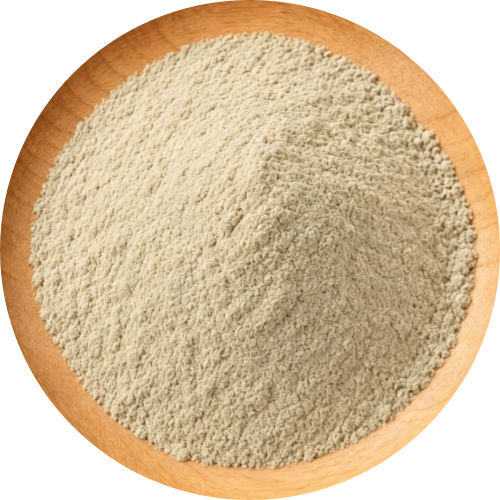
Sulforaphane, derived from glucoraphanin present in cruciferous vegetables like broccoli, has been the subject of extensive research due to its potential anticancer properties.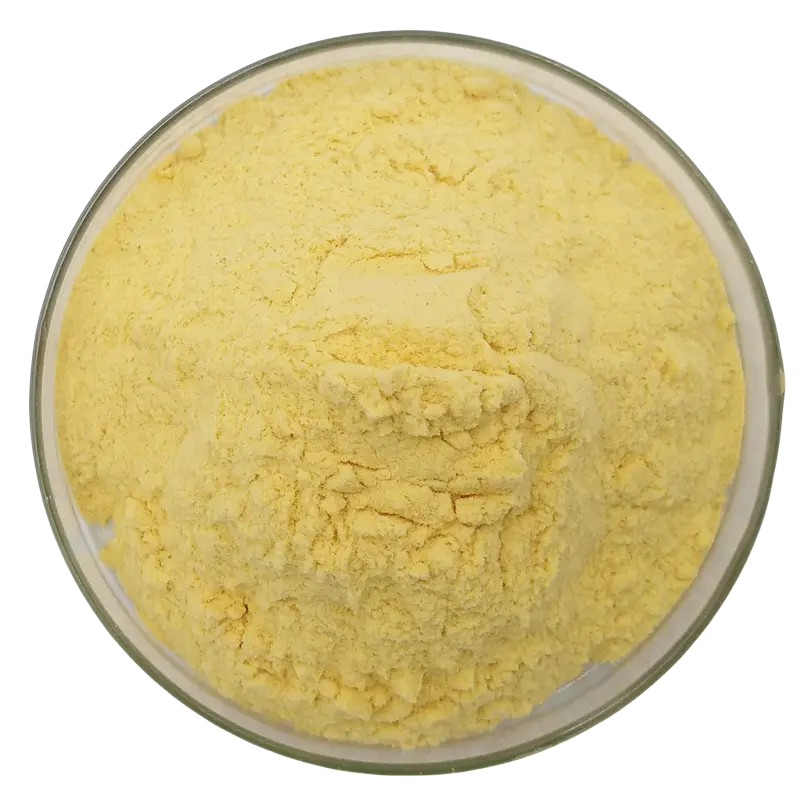
Here's how sulforaphane fights cancer:
Detoxification and Anti-Carcinogen Activation: Sulforaphane helps detoxify carcinogens and oxidants by blocking phase I metabolic enzymes, which are involved in the activation of procarcinogens . This prevents cancer-causing substances from impacting the body.
Cell Cycle Arrest: It arrests the cell cycle in the G2/M and G1 phase, thereby inhibiting the proliferation of cancer cells . This mechanism prevents the uncontrolled division of cells that is characteristic of cancer.
Induction of Apoptosis: Sulforaphane enhances the process of apoptosis, or programmed cell death, which helps in retarding or eliminating the clonal expansion of initiated, transformed, and/or neoplastic cells . This is crucial in preventing the growth and spread of cancer.
Inhibition of Neoangiogenesis: It inhibits the formation of new blood vessels (neoangiogenesis), which is essential for the growth and spread of tumors . By preventing the supply of nutrients and oxygen, sulforaphane can limit tumor growth.
Epigenetic Modulation: Sulforaphane modulates epigenetic mechanisms, such as histone acetylation and phosphorylation, DNA methylation, and the modulation of noncoding RNAs, which are involved in the regulation of gene expression associated with cancer .
Modulation of Enzymes: It induces phase II detoxification and antioxidant enzymes through the Nrf2/ARE signaling pathway, which helps in cancer chemoprevention . At the same time, it can inhibit phase I enzymes that activate procarcinogens, thereby interfering with the initiation stage of cancer .
Synergistic Effects with Other Therapies: Sulforaphane has been shown to potentiate the activity of several classes of anticancer agents, including paclitaxel, docetaxel, and gemcitabine, through additive and synergistic effects . This can enhance the effectiveness of cancer treatments while potentially reducing their adverse side effects.
DNA Protection: Sulforaphane protects DNA by modulating carcinogen-metabolizing enzymes and blocking the action of mutagens, which can prevent the initiation of cancer cells.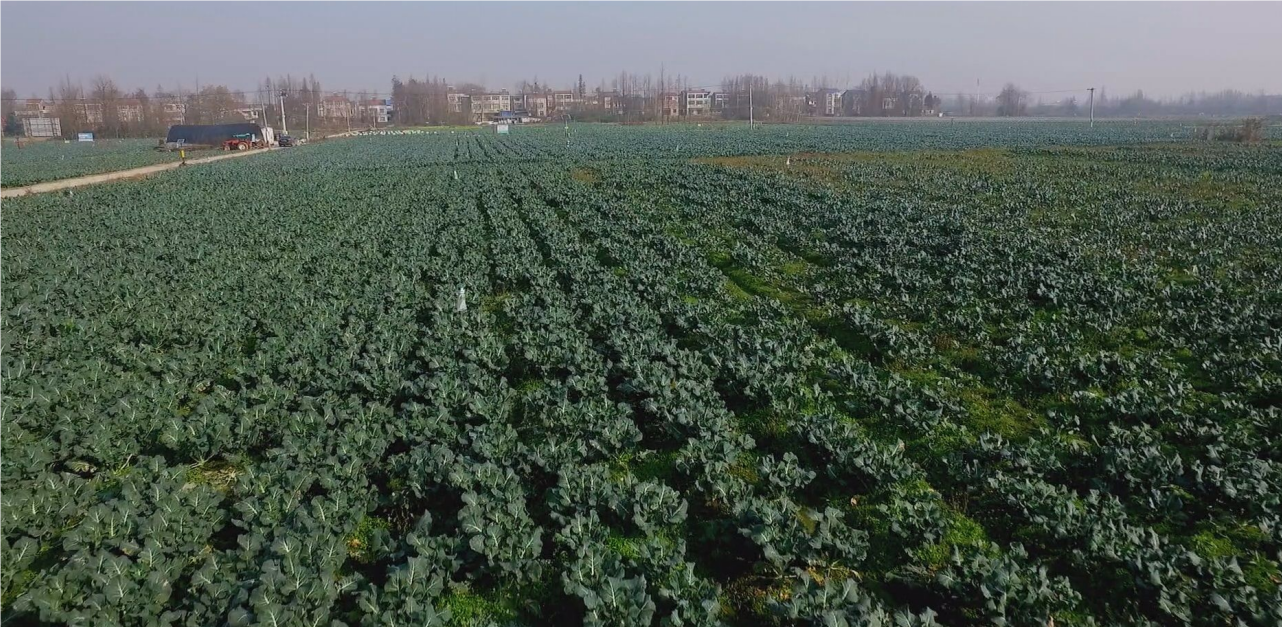
In summary, sulforaphane's multifaceted approach to cancer prevention and treatment involves detoxification, cell cycle regulation, apoptosis induction, inhibition of angiogenesis, and epigenetic modulation. Its ability to target multiple pathways associated with cancer development makes it a promising compound in the fight against cancer.