Introduction: A piperine HPLC report is easier to read as four separate messages about identity, measured content, batch traceability, and test method than as one overall quality score.
Picture a supplement brand's product developer opening a PDF from a raw material supplier: a header with a lab name, then short rows labeled Assay, Identification, Batch No. , Method, and a signature block at the bottom. The instinct is to scroll straight to the percentage and treat that one figure as the whole story. That instinct causes most misreadings, because a test report is a record of several distinct measurements, each answering a different question. Learning what each line describes turns a confusing certificate into a readable document, and it also keeps a single number from being mistaken for a verdict on the supplier behind it.
High-performance liquid chromatography, shortened to HPLC, pushes a prepared sample through a packed column with a liquid mobile phase. Compounds travel at different speeds, so piperine reaches the detector at its own characteristic time and produces its own peak. The detector records peak size, and software converts peak area into a concentration using a calibration curve built from a reference standard. That is the machinery behind every figure on a piperine report. Once you picture the process, the document stops looking like a certificate of excellence and starts looking like a set of answers: what the sample is, how much piperine it holds, which production lot it came from, and how the measurement was performed. Those four answers matter because they map onto how supplement raw materials are handled in practice. United States current good manufacturing practice for dietary supplements expects manufacturers to verify identity, purity, strength, and composition of incoming components, which is why supplier paperwork carries these headings at all. Botanical testing references such as those maintained by USP follow a similar logic: a stated value is tied to a defined test procedure rather than to a marketing phrase. A report therefore establishes measured facts about one sample from one batch. Content, not reputation, is what the fields are built to carry.
The middle of a piperine report is where most readers slow down, because three kinds of information sit in similar-looking rows. Identity, assay, and batch details all use short labels and short values, yet each answers a different question. A practical habit is to read each line and restate it in plain words: this line tells me what the material is, this one tells me how much piperine was measured, and this one tells me which lot the numbers belong to. Two of those lines deserve a closer look, and batch references finish the picture.
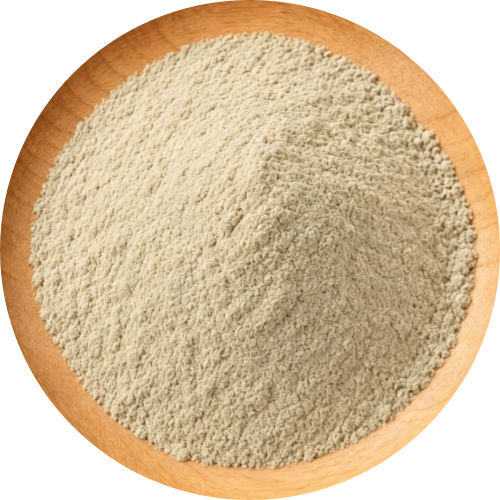
Identity fields answer the simplest question on the sheet: what is this powder? A piperine report usually names the material, the botanical source *Piper nigrum*, and often the plant part, such as the fruit. Many reports also note how identity was confirmed, commonly by comparing the sample's peak pattern and retention time against a piperine reference standard. For anyone reading supplement labels, the identity line is what separates a standardized black pepper extract from ground pepper, an oleoresin, or a blend extended with carrier. It confirms the sample is the material the specification describes before any percentage enters the conversation.
Assay language is where the percentage lives, and it usually arrives with three qualifiers that change its meaning. The first is the analyte: piperine, not total alkaloids or total extract. The second is the method: "by HPLC" means the value came from a chromatographic measurement rather than a titration or a UV reading. The third is the basis, often written as dry basis, meaning moisture was accounted for before the percentage was calculated. Keep Ingredients describes its black pepper extract as standardized by HPLC to a piperine range of 10% to 98%, with custom potency available, so an assay field is where a given lot lands inside that stated ladder. Batch information is the quietest part of a report and the part that makes the rest usable. A lot number connects the sample to a specific production run, a manufacturing date, and records held by the supplier. Without it, an assay value floats free: you know someone measured a high piperine content once, but not whether the drum in front of you came from that run. Batch references also let two reports sit side by side so consistency across shipments becomes visible. When the lot number on the paperwork matches the lot on the packaging, bulk black pepper extract becomes traceable material rather than an anonymous powder.
An assay figure without method notes is hard to use, because two laboratories can measure the same powder and report different values while both are correct. Column type, mobile phase composition, detector wavelength, injection volume, reference standard purity, and the calculation basis all influence the final percentage. A report that states its method gives a reader something to compare against; one that omits it gives a number with no frame around it. This is also why method sections look repetitive across suppliers working to similar chromatographic conventions, and why a difference in reported value is often a difference in procedure first. The second reason to slow down is that a piperine report describes one sample against one specification. It is not a league table of piperine suppliers. Two certificates showing 50% and 95% may simply represent two products on a potency ladder, each made to its own stated target, and reading them as worse and better confuses a specification choice with a quality judgment. What the document does tell you is bounded and genuinely useful: whether a lot met the specification it was produced against, whether the identity matches the material named, and whether the batch can be traced back. Keep Ingredients describes the extract as part of a line that is Third-Party Verified, and the batch-specific certificate is the document that carries those numbers for an individual lot.
Reading a piperine HPLC report gets much easier once the fields stop blending together. Identity tells you what the material is, assay tells you how much piperine was measured and under what basis, batch details tie the sample to a real production run, and method notes explain how the figure was produced. Any black pepper extract manufacturer can send a PDF with a high percentage printed on it, and the readers who get the most from that PDF are the ones who check which question each line answers. A report is a description of one lot, and that is exactly what makes it worth reading.
A: It shows measured facts about one sample from one batch. The identity fields name the material and botanical source, the assay field reports how much piperine was found, the batch field connects the sample to a production lot, and the method notes describe how the measurement was carried out. Read together, these lines tell you whether a lot matched the specification it was produced against, not whether the supplier is the best in the market.
A: A lot number is what makes the numbers usable. It links the sample to a production run, a date, and records the supplier keeps, so an assay value can be matched to the drum or bag actually being shipped. Batch references also let you line up results from several shipments and see whether the material stays consistent over time. Without a matching lot number, the report describes some sample rather than your material.
A: Start with the three qualifiers: the analyte should be piperine, the method should be stated, and the basis should say whether moisture was corrected for. Then compare the measured result with the specification the product was made against, rather than with a number from a different grade. A 50% lot and a 95% lot can both be on-spec products, so the assay field is best read as a match check against a stated target, not as a ranking between materials.
Dietary Supplements and Herbal Medicines | USP
CFR Code of Federal Regulations Title 21
Voluntary Guidelines and Best Practices | Council for Responsible Nutrition