


Discover our premium plant extract granules, a cutting-edge innovation in the nutraceutical and pharmaceutical industries.
Granulation is a process of turning powder into small granules to improve properties like flow ability, stability, and ease of handling.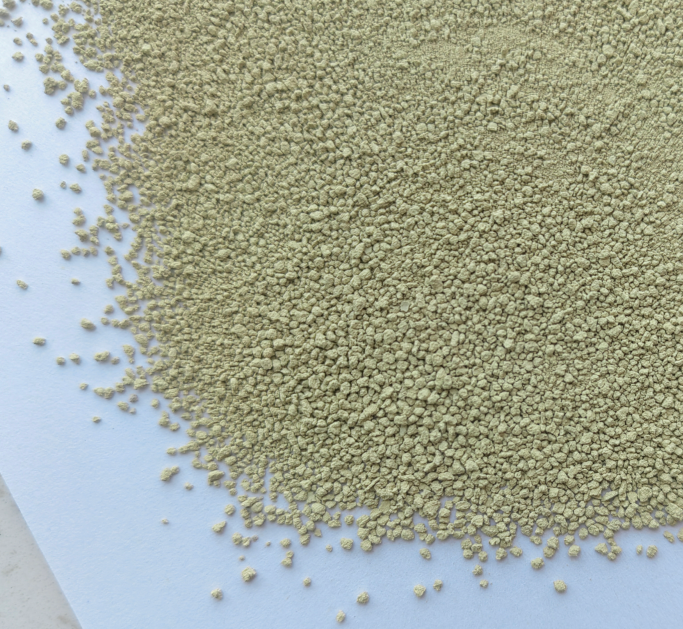
Our products are meticulously crafted to deliver superior quality at competitive prices, making them the ideal choice for business seeking reliable and efficient ingredients.
Keep Ingredients Co. Ltd could competitively supplies this granulated service, our procedure is as follows:
1) . Discuss what kind of effect you want to reach, including your usage, expected mesh size (normally is 16-40mesh, also have 40-60mesh) and many others;
2) . Do sample (lead time is normally 3-7days);
3) . After finishing sample, we’ll test its valid content, bulk density, Moisture, Ash, if you’ve special request, we could discuss, all the granulate procedure is doing under sterile environment, guarantee it meets our standard request;
4) . We could show you the sample pictures with the tested datas for confusion by mail to confirm; or we could send you sample for testing as well;
5) . After confirmation, then we do bulk, confirm sample is same as bulk’s quality (of course, some datas will have small differences, but all in normal scope. Lead time of bulk will be around 7-14 days;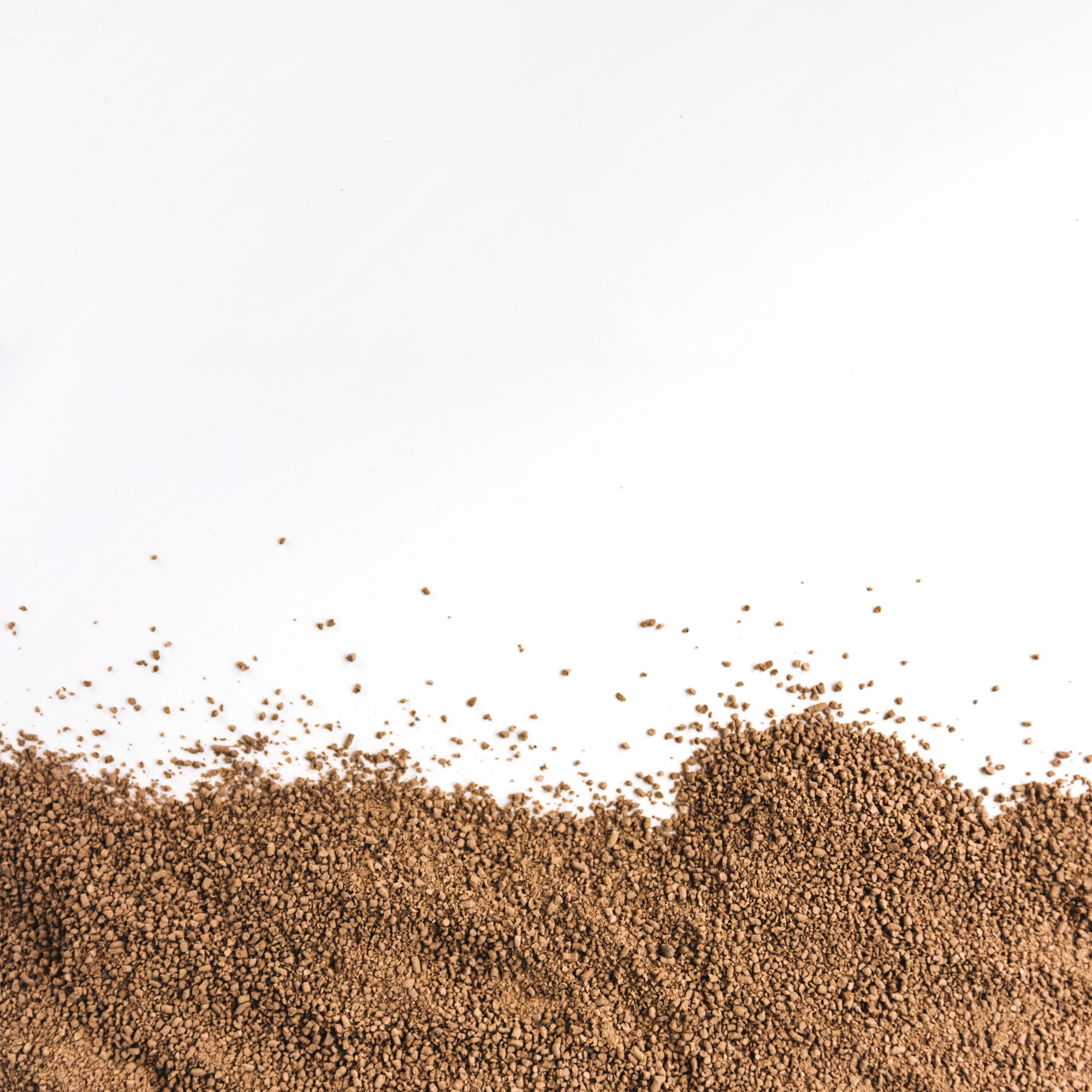
Why Choose Our Plant Extract Granules?
* High Purity & Potency: Our granules are derived from the finest plant sources, ensuring maximum efficacy and consistency.
* Cost-Effective: Enjoy top-tier quality without the premium price tag. Our competitive pricing makes us a preferred partner for businesses worldwide.
* Excellent Customer Feedback: Trusted by numerous clients, our products have garnered rave reviews for their performance and reliability.
* Versatile Applications: Suitable for a wide range of industries, including dietary supplements, functional foods, and pharmaceuticals.
When we need to granulate?
* For Encapsulation (For Capsule Filling);
* For Tablets;
Applications:
* Nutraceuticals: Boost the nutritional profile of your supplements with our high-quality plant extract granules.
* Functional Foods: Enhance the health benefits of your food products with our versatile granules.
* Pharmaceuticals: Incorporate our reliable plant extracts into your medicinal formulations for consistent results.
What’s its advantages?
* Improve stability: Granulation can enhance the stability of ingredients and reduce problems such as oxidation and moisture absorption.
* Improve fluidity: Granules have better fluidity, which is convenient for production and packaging, and reduces clogging and dust.
* Control release rate: Granulation can adjust the release rate of active ingredients and improve absorption effect.
* Mask bad taste: Granules can mask the bitterness or odor of certain ingredients and improve the taste.
* Improve dosage accuracy: Granules make it easier to accurately control dosage and ensure consistent content in each serving.
*Enhance portability: Granular products are easier to carry and take, suitable for fast-paced life.
* Extend shelf life: Granulation can reduce contact with air and moisture and extend shelf life.
* Comply with regulations: Some regions have strict regulations on powder products, and granulation helps to comply.
* Meet market demand: Some consumers prefer granular products, and granulation can cater to this demand
Which plant extract ingredients are better to be granulated for capsule filling?
Granulation can improve fluidity and stability, reduce moisture absorption and volatility, and mask unpleasant odors, making it particularly suitable for use as a plant-based ingredient in capsule filling. For high fiber, viscous, hygroscopic, low-density, or highly active ingredients, granulation is a better choice.
1. High-fiber ingredients
Examples: Inulin (chicory fiber), oat fiber, apple fiber;
Reason: Fiber ingredients are fluffy and highly hygroscopic. Granulation can improve fluidity, reduce dust, and facilitate capsule filling.
2. Viscous ingredients
Examples: Aloe extract, Ganoderma extract, Lycium barbarum extract;
Reason: These ingredients are usually viscous, and the powder is easy to clump or adhere to the equipment.
Granulation can improve fluidity and facilitate filling.
3. Hygroscopic ingredients
Examples: Green tea extract, cranberry extract, blueberry extract;
Reason: These ingredients are easy to absorb moisture. Granulation can reduce hygroscopicity, improve stability, and extend shelf life.
4. Low-density ingredients
Examples: Spirulina powder, Chlorella powder, mulberry leaf extract;
Reason: Low-density powder is fluffy and has poor fluidity. Granulation can improve density and fluidity, which is convenient for capsule filling.
5. Ingredients with high oil content
Examples: flax seed extract, chia seed extract, evening primrose oil powder;
Reason: Powders with high oil content are prone to agglomeration. Granulation can improve fluidity and ensure uniform filling
6. Volatile ingredients
Examples: peppermint extract, turmeric extract, honeysuckle extract;
Reason: Granulation can reduce the loss of volatile ingredients and improve stability and shelf life.
7. Bitter or odorous ingredients
Examples: ginseng extract, licorice extract, dandelion extract;
Reason: Granulation can mask bitterness or odor, improve taste, and improve fluidity for easy filling.
8. Highly active ingredients
Examples: grape seed extract, resveratrol, curcumin;
Reason: Granulation can improve the stability of active ingredients, reduce oxidation or degradation, and improve fluidity.
Which plant extract powders are very fluffy and need to be granulated before tableting?
The following plant extract powders usually need to be granulated before they can be effectively tableted due to their fluffy, poor fluidity or hygroscopicity. Granulation can improve fluidity, uniformity and stability, ensuring tablet quality and production efficiency.
1. Plant fiber
Examples: oat fiber, apple fiber, inulin (chicory fiber);
Features: Fiber powders are usually fluffy and highly hygroscopic, with poor fluidity. Direct tableting can easily lead to loose or cracked tablets.
2. Leaf extracts
Examples: green tea extract, mint leaf extract, mulberry leaf extract;
Features: Leaf extracts are usually low in density, fluffy, and may contain volatile components. Granulation can improve fluidity and stability.
3. Root and stem extracts
Examples: turmeric extract, ginseng extract, licorice extract;
Features: These powders are usually fluffy and may be sticky. Direct tableting can easily cause sticking or insufficient tablet hardness.
4. Fruit extracts
Examples: cranberry extract, blueberry extract, wolfberry extract;
Features: Fruit extracts usually contain natural sugars and fibers. The powders are fluffy and hygroscopic. Granulation can improve tableting efficiency.
5. Algae extracts
Examples: Spirulina powder, Chlorella powder;
Features: Algae powder is usually very fluffy and has poor fluidity, and granulation can improve tableting performance.
6. Seed extracts
Examples: Chia seed extract, flax seed extract;
Features: Seed extracts are usually rich in oil and fiber, and the powder is fluffy and easy to clump. Granulation can improve uniformity and stability.
7. Flower extracts
Examples: Honeysuckle extract, rose extract;
Features: Flower extracts are usually low in density, fluffy, and may contain volatile components. Granulation can improve fluidity and tableting performance.
Which ingredients are not suitable for granulation for capsule filling or tableting? What are the characteristics of these ingredients?
For following ingredients, direct blending, dry compression or direct encapsulation is often used to avoid the negative effects of the granulation process:
* Heat sensitive: easily inactivated by high temperature.
* Oxidizable: easily degraded after exposure to air or moisture.
* Volatile: easily lost during granulation.
* Highly hygroscopic: easily agglomerated or deteriorated after granulation.
* Low melting point: easily softened or melted during granulation.
* Chemically reactive: reacts with granulation excipients.
* Highly active biological ingredients: mechanical pressure or heat may lead to inactivation.
* High purity crystals: granulation may destroy their physical structure.
* Ingredients that are easy to stain: may contaminate equipment or affect the appearance of the product.
* Ingredients with high sugar content: easy to absorb moisture, agglomerate or adhere to equipment.
* Ingredients that are not sticky at all: difficult to form stable granules, and may require a large amount of binder.
1. Heat-sensitive ingredients
Examples: probiotics (such as lactic acid bacteria), certain enzymes (such as proteases, amylases), vitamin C (easily degraded at high temperatures);
Characteristics: These ingredients may be inactivated or degraded during the granulation process due to high temperatures or high humidity.
Cause: Granulation (especially wet granulation) may involve heating or the use of adhesives, which may cause the ineffectiveness of heat-sensitive ingredients.
2. Oxidizable ingredients
Examples: polyunsaturated fatty acids (such as fish oil powder), coenzyme Q10, certain antioxidants (such as resveratrol);
Characteristics: These ingredients are easily oxidized when exposed to air or moisture during the granulation process, resulting in reduced activity.
Cause: Granulation may increase the contact of ingredients with air or moisture, accelerating oxidation reactions.
3. Volatile ingredients
Examples: essential oils (such as peppermint oil, eucalyptus oil), certain volatile extracts (such as turmeric volatile oil);
Characteristics: These ingredients may be volatilized and lost due to heating or exposure during the granulation process.
Cause: Heating or drying steps during granulation can cause loss of volatile components.
4. Highly hygroscopic ingredients
Examples: Certain plant extracts (e.g., green tea extract), certain minerals (e.g., magnesium chloride);
Characteristics: These ingredients easily absorb moisture, which may cause granules to agglomerate or become less stable after granulation.
Cause: Moisture may be introduced during granulation, causing hygroscopic ingredients to deteriorate or agglomerate.
5. Low melting point ingredients
Examples: Certain oil powders (e.g., cocoa butter powder), magnesium stearate;
Characteristics: These ingredients may soften or melt due to increased temperature during granulation.
Cause: Friction or heating during granulation may cause low melting point ingredients to melt, affecting granule quality.
6. Chemically reactive ingredients
Examples: Certain acid-base sensitive ingredients (e.g., vitamin B12), certain minerals (e.g., calcium carbonate);
Characteristics: These ingredients may chemically react with binders or solvents used in granulation.
Reason: Solvents or adhesives used in the granulation process may trigger chemical reactions, causing the ingredients to become ineffective or produce undesirable byproducts.
7. Highly active biological ingredients
Examples: Certain peptides, proteins (such as collagen peptides), certain bioactive extracts;
Characteristics: These ingredients may be inactivated by mechanical pressure or heat during the granulation process.
Reason: Mechanical pressure or heat during the granulation process may destroy their bioactive structure.
8. High-purity crystalline ingredients
Examples: Certain high-purity minerals (such as magnesium sulfate), certain amino acids (such as L-glutamine);
Characteristics: These ingredients have good fluidity, and granulation may destroy their crystal structure, affecting solubility or stability.
Reason: Granulation may change their physical form, resulting in poor solubility or decreased stability.
9. Ingredients that are easy to dye
Examples: Certain plant extracts (such as turmeric, beetroot powder, black wolfberry extract, spirulina powder);
Characteristics: These ingredients are brightly colored and easy to dye, which may contaminate equipment or affect the appearance of other ingredients.
Cause: During the granulation process, ingredients that are easy to dye may adhere to the equipment, causing difficulty in cleaning or cross-contamination. In addition, dyeing ingredients may affect the appearance consistency of the final product.
10. Ingredients with high sugar content
Examples: Certain fruit extracts (such as cranberry powder, blueberry powder), honey powder;
Characteristics: Ingredients with high sugar content are easy to absorb moisture, agglomerate or adhere to equipment during granulation.
Cause: Sugar ingredients are easy to absorb moisture during wet granulation, causing the granules to become soft or agglomerate; during dry granulation, the granules may not be strong enough due to insufficient viscosity.
11. Ingredients that are not sticky at all
Examples: Certain minerals (such as calcium carbonate, silicon dioxide), high-purity crystalline ingredients (such as magnesium sulfate);
Characteristics: These ingredients lack viscosity and are difficult to form stable granules through granulation.
Reason: Granulation requires a certain degree of stickiness to hold the powder together. If the ingredients are not sticky at all, a large amount of binder may need to be added, but this may affect the purity and performance of the final product.
For all the above ingredients that are not suitable for granulation, what should be done if capsule filling is needed to improve utilization and others?
1. Direct powder filling
Applicable ingredients: heat-sensitive, easily oxidized, volatile, highly active biological ingredients, high-purity crystals.
Method: Fill the powder directly into the capsule to avoid heat, moisture or mechanical pressure during granulation.
Advantages: Preserve the original characteristics of the ingredients and avoid the negative effects of granulation.
Notes:
Use moisture-proof capsule shells (such as HPMC plant capsules) to reduce moisture absorption.
Add flow agents (such as silicon dioxide) to improve powder flowability.
Control the ambient humidity to avoid powder agglomeration.
2. Dry mixing
Applicable ingredients: non-sticky, high sugar content, easy to dye.
Method: Dry mix the main ingredients with functional excipients (such as flow agents, anti-sticking agents) and then fill the capsule.
Advantages: Avoid moisture absorption problems in wet granulation and improve powder flowability.
Notes:
Ensure uniform mixing and avoid stratification.
Select excipients that are compatible with the ingredients to avoid chemical reactions.
3. Microencapsulation technology
Applicable ingredients: heat-sensitive, easily oxidized, volatile, highly active biological ingredients.
Method: Use microencapsulation technology to encapsulate the ingredients in protective materials (such as gelatin, cellulose), form tiny particles and then fill the capsule.
Advantages: Improve the stability of the ingredients, mask the bad taste, and control the release rate.
Notes:
Choose a suitable wall material to ensure compatibility with the ingredients.
Control the microencapsulation process parameters to avoid destroying the activity of the ingredients.
4. Adsorption technology
Applicable ingredients: liquid or semi-solid ingredients (such as essential oils, fish oil).
Method: Adsorb the liquid ingredients onto a solid carrier (such as silicon dioxide, starch) to form a free-flowing powder before filling the capsule.
Advantages: Convert liquid into solid, easy to fill, and improve stability.
Notes:
Choose a carrier with strong adsorption capacity.
Ensure uniform adsorption to avoid liquid seepage.
5. Freeze drying (freeze drying technology)
Applicable ingredients: heat-sensitive, highly active biological ingredients (such as probiotics, enzymes).
Method: freeze-dry the ingredients and make them into powder, and fill them directly into capsules.
Advantages: avoid damage to ingredients by high temperature and moisture, and retain activity.
Notes:
Freeze drying is more expensive and suitable for high-value ingredients.
Ensure the fluidity and stability of freeze-dried powder.
6. Use functional excipients
Applicable ingredients: non-sticky, high sugar content, easy to dye.
Method: add functional excipients (such as anti-sticking agents, moisture-proof agents, flow agents) to improve the powder properties and then fill the capsules.
Advantages: improve the fluidity and stability of the powder and facilitate filling.
Notes:
Choose excipients that are compatible with the ingredients.
Control the amount of excipients added to avoid affecting the content of the ingredients.
7. Layered filling
Applicable ingredients: easy to dye, chemically reactive ingredients.
Method: fill different ingredients into capsules in layers to avoid direct contact.
Advantages: Prevents reactions or staining problems between ingredients.
Notes:
Ensure clear layers and avoid mixing.
Choose appropriate capsule shell material.
8. Use special capsule shells
Applicable ingredients: easily oxidized, highly hygroscopic ingredients.
Methods: Use moisture-proof, light-shielding or well-sealed capsule shells (such as HPMC plant capsules, opaque capsules).
Advantages: Improves the stability and shelf life of ingredients.
Notes:
Ensure that the capsule shell is compatible with the ingredients.
Control storage conditions (such as low temperature, dryness)..


